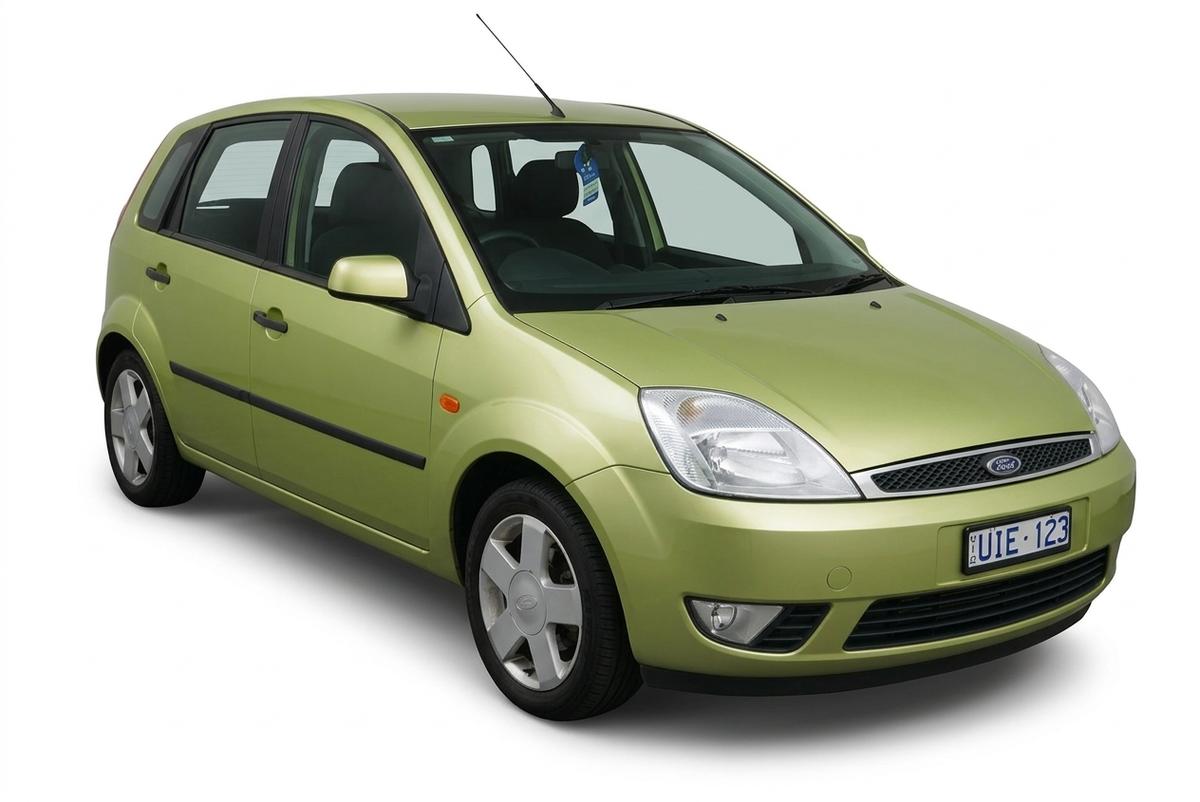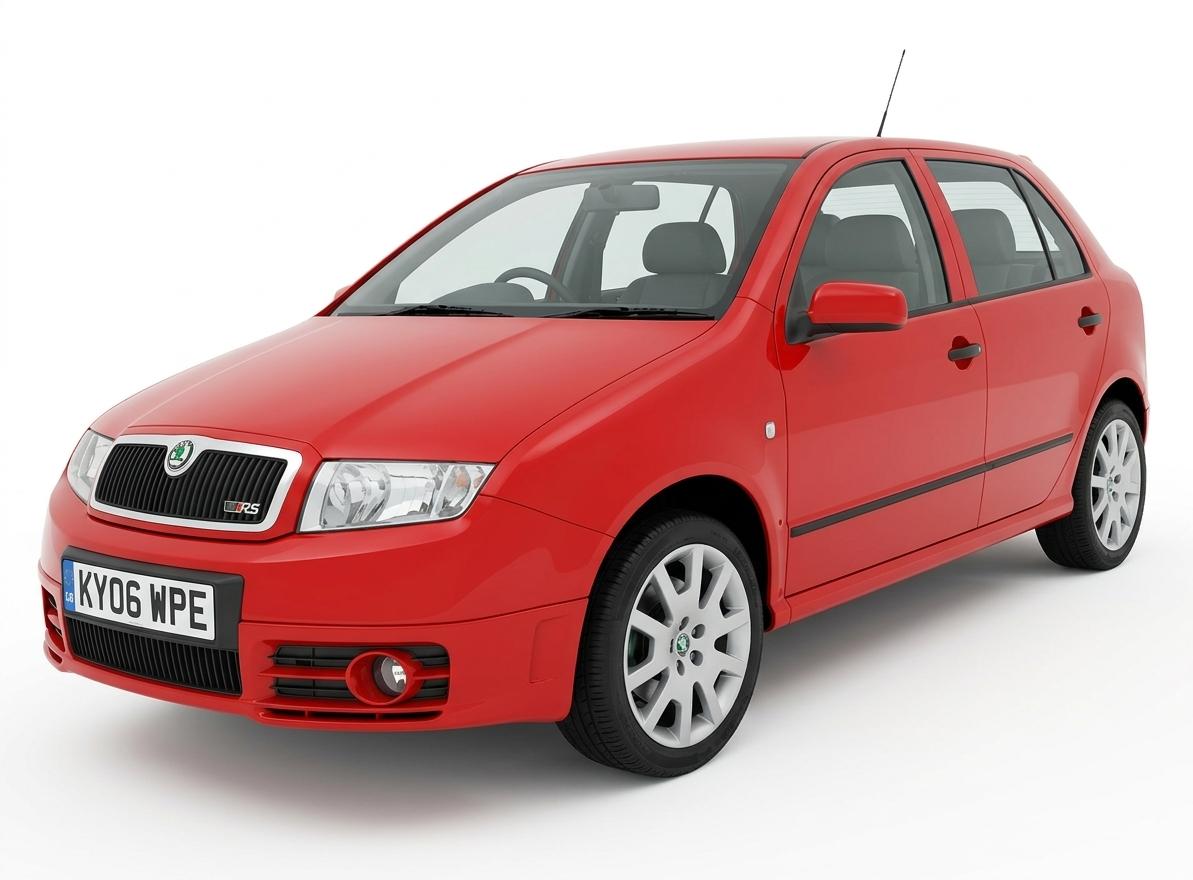
1999-2007 Fabia
The first-generation car is now an old used vehicle. Condition, rust, service history and previous repairs are more important than trim.
Skoda
A roomy, sensible and affordable small hatchback that prioritises family practicality and easy ownership over sharp handling or glamour.
Last checked 2026-10-16
Best for
Small families, commuters and buyers who want a straightforward hatchback with generous space and useful equipment.
Think twice if
Drivers who want the most exciting small car, a premium-feeling cabin or the simplest possible automatic gearbox.
The Skoda Fabia is one of the easiest small cars to recommend when practicality matters more than excitement. It has a roomy cabin, a large and well-shaped boot and plenty of small storage solutions that make everyday use less frustrating. It is comfortable around town and stable on longer journeys, although a Ford Fiesta is more enjoyable on a twisty road. The engine choice matters: the smallest non-turbo petrols are best kept to urban use, while a turbocharged 1.0 is a better all-rounder in newer cars. The Fabia generally has a strong reliability reputation, but age and maintenance still matter. Check timing-system work, cold-start noises, clutches, transmissions and electronic equipment rather than buying on reputation alone.
The first-generation car is now an old used vehicle. Condition, rust, service history and previous repairs are more important than trim.
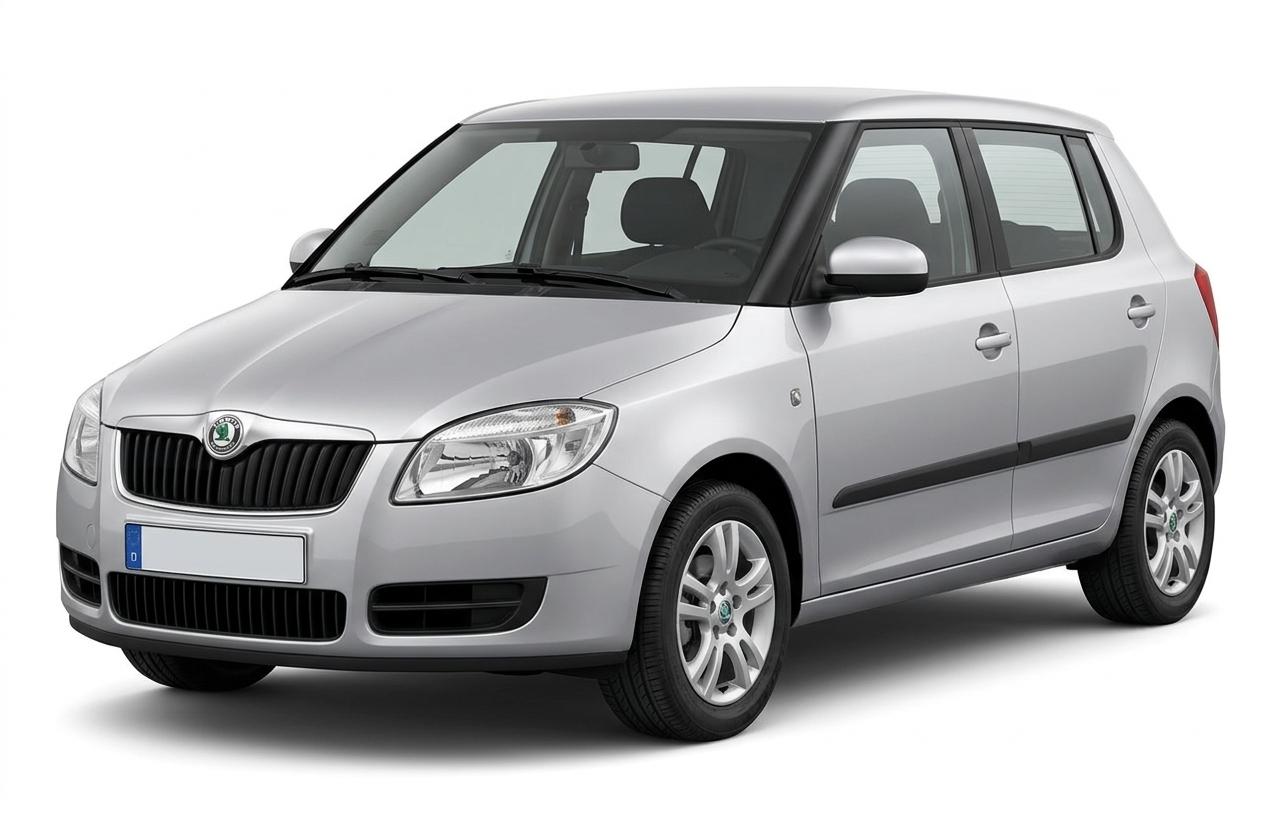
A practical and affordable generation with a broad petrol and diesel range. Check cambelt records, air conditioning, electronics and clutch wear.
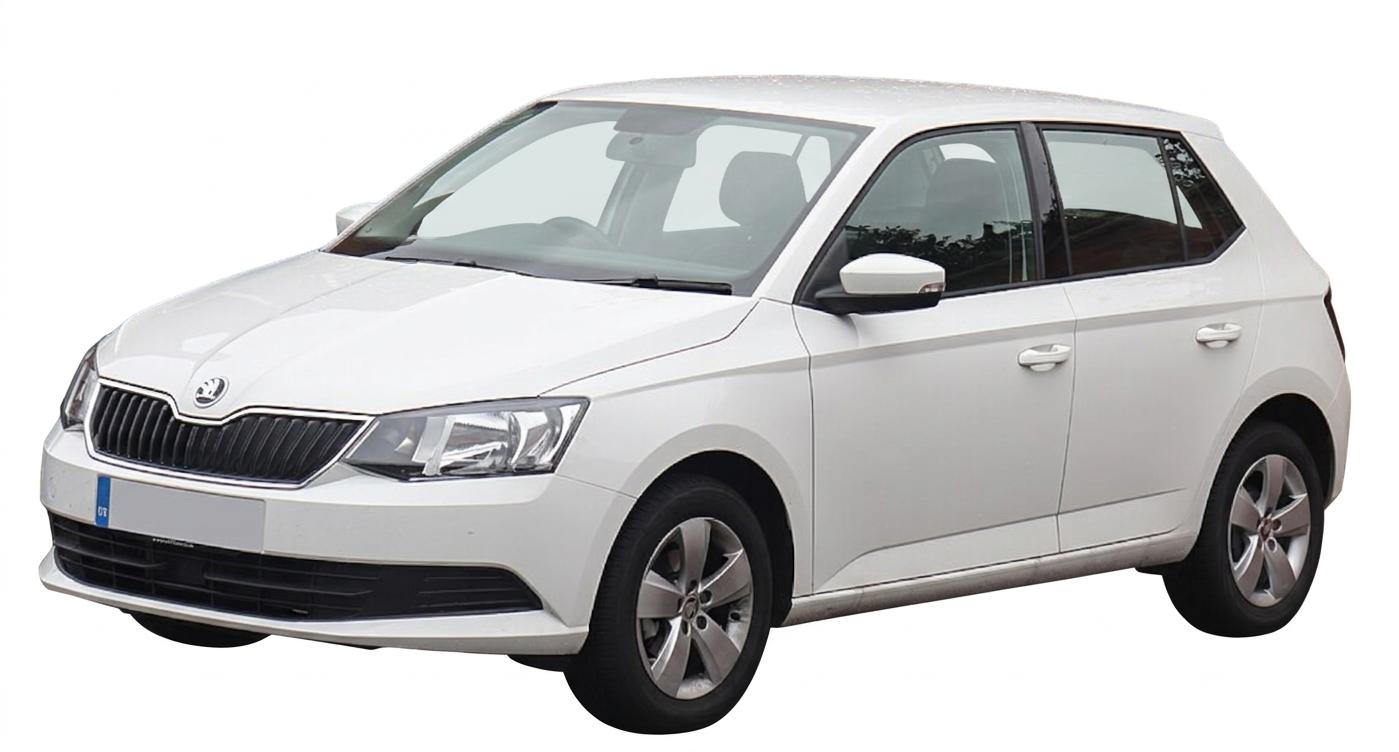
A spacious all-rounder with a 330-litre hatchback boot and later 1.0-litre petrol engines. The estate is especially useful if luggage space matters.
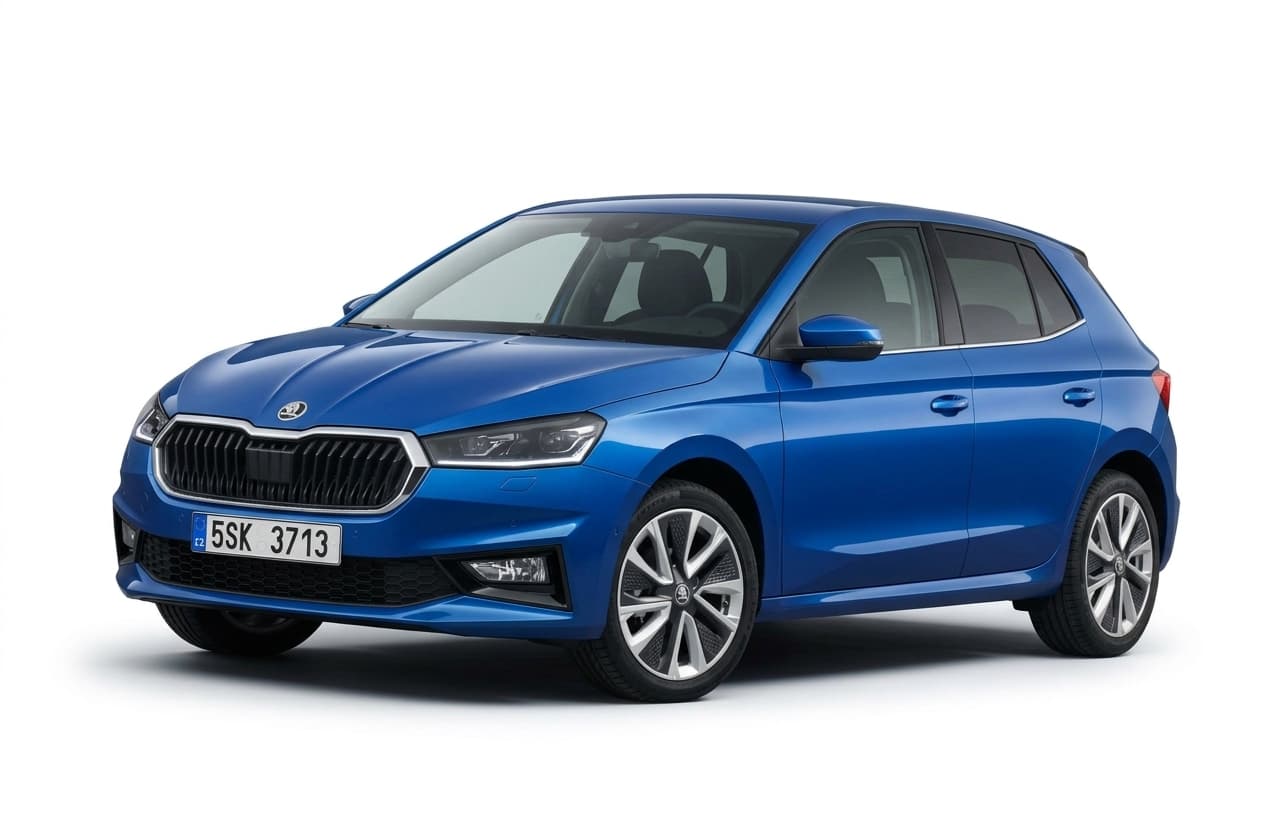
The newer generation is more spacious and better equipped, with 1.0-litre petrol engines and a comfortable, mature driving character.
The naturally aspirated engine is simple and suitable for town driving, but it can feel underpowered on motorways or when fully loaded.
The turbocharged 90 or 110PS versions are stronger all-round choices for mixed driving. Confirm the exact engine and service history.
Earlier 1.2, 1.4 and 1.6 engines vary by generation. Check for cold-start rattles, ignition-coil issues and the correct timing-chain or cambelt maintenance.
The 1.4 and 1.9 diesels can suit high-mileage users, but short-trip drivers should be cautious about diesel-specific problems such as DPF blockage where fitted.
The latest high-output version is quicker and more expensive than ordinary Fabias, but it is a warm hatch rather than a full hot hatch. Check tyres, brakes, suspension and modifications.
The common and usually straightforward choice. Check for a progressive clutch bite, clean gear selection, slip, vibration and unusual noises.
Availability varies by generation and engine. Test the exact car from cold, in traffic and while parking; it should pull away smoothly without hesitation or judder.
Scroll to compare other models with published reviews.